Sirmione Thermal Baths: Aquaria vs Terme Catullo (2026)
By Loïc M. · Updated
Sirmione sits on top of one of Europe’s most famous hot mineral springs — the Boiola spring rises from the bed of Lake Garda at 69°C, less than 300 m offshore. Two thermal complexes exploit it: Aquaria is the modern, polished wellness destination (day pass €42, lake-view pools, sauna world). Terme Catullo is the older, more medical-feeling sister property (€26, mineral pools, traditional treatments). Both are run by the same company. Here’s exactly which one to pick, when to go, and what’s worth the upgrade.
Quick comparison at a glance
| Property | Day pass | Indoor pools | Outdoor pools | Sauna world | Best for |
|---|---|---|---|---|---|
| Aquaria | €42 weekday / €52 weekend | 2 | 4 lake-view | Yes (€10 extra) | Modern wellness day, couples, lake-view obsessives |
| Terme Catullo | €26 | 1 | 1 mineral | No | Budget, traditional thermal soak, fewer crowds |
Table of contents
- A short history of the Sirmione thermal spring
- Aquaria — the modern wellness destination
- Terme Catullo — the traditional option
- Which one should you choose?
- What to bring
- When to go
- What we’d pair with a thermal day
- Frequently Asked Questions (FAQ)
- Related guides
A short history of the Sirmione thermal spring
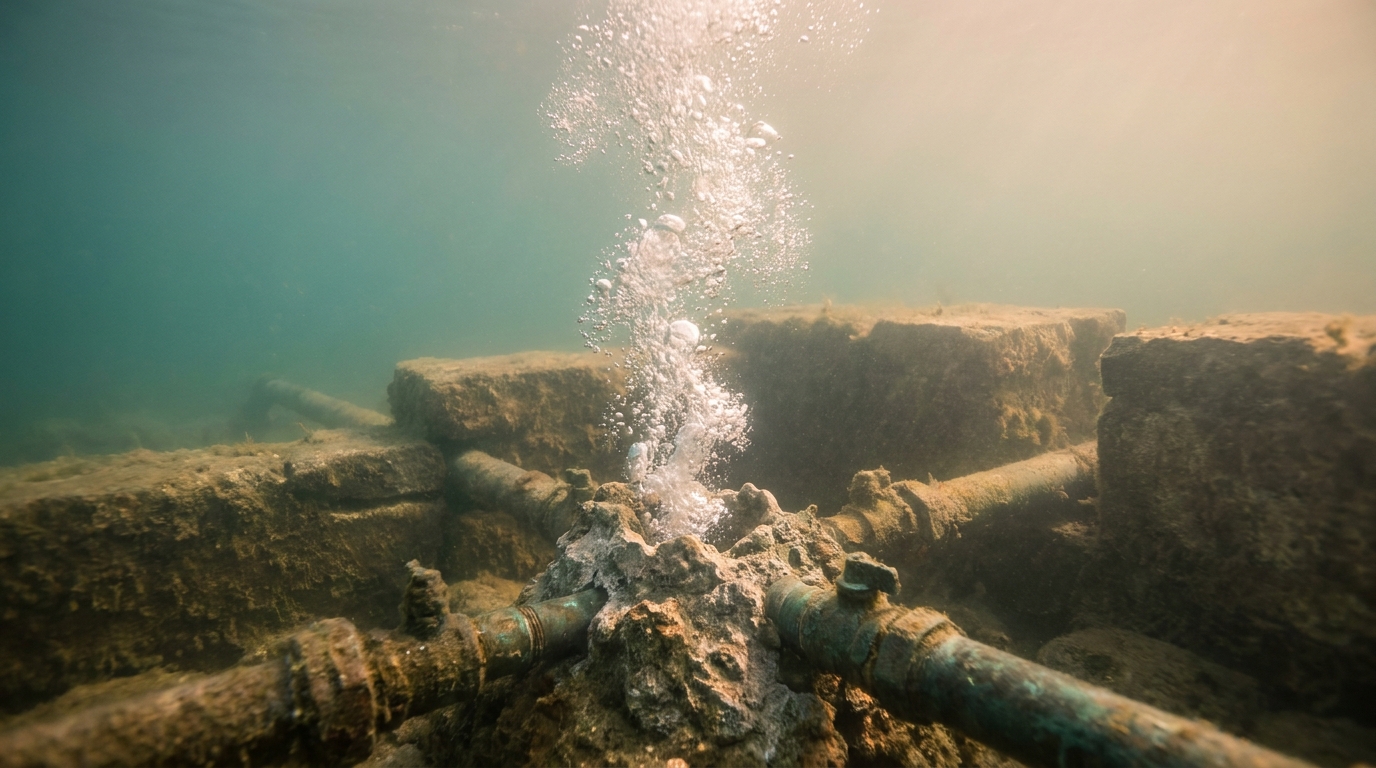
The Boiola spring was officially discovered in 1889 by the engineer-diver Procopio Forlanini, who dropped a weighted pipe into the lake bed roughly 300 m off the tip of the Sirmione peninsula and tapped a column of 69°C water rising under pressure from a fissure 17 m below the surface. Local fishermen had long noticed the warm patch in winter, but no one had thought to industrialise it. Within a year Forlanini had built the first pumping station and a wooden bathing shed on the shore.
Roman use is plausible but archaeologically unproven — the Catull Grottoes just five minutes away show the Romans knew this peninsula intimately, and the poet Catullus himself referred to Sirmione as “the eye of all peninsulas”. Some historians read his lines about its healing waters as a direct reference to the springs. We simply don’t know.
What we do know is the chemistry: the water emerges rich in sulphur, bromine and iodine, with traces of magnesium and silica. The official Italian health ministry classifies it as a bromoiodica sulfurea salsa — therapeutic for chronic respiratory conditions (rhinitis, sinusitis, bronchitis) and a range of dermatological complaints. The two modern spas were both built by the company that holds the source concession, Terme di Sirmione SpA, founded in 1921.
Aquaria — the modern wellness destination
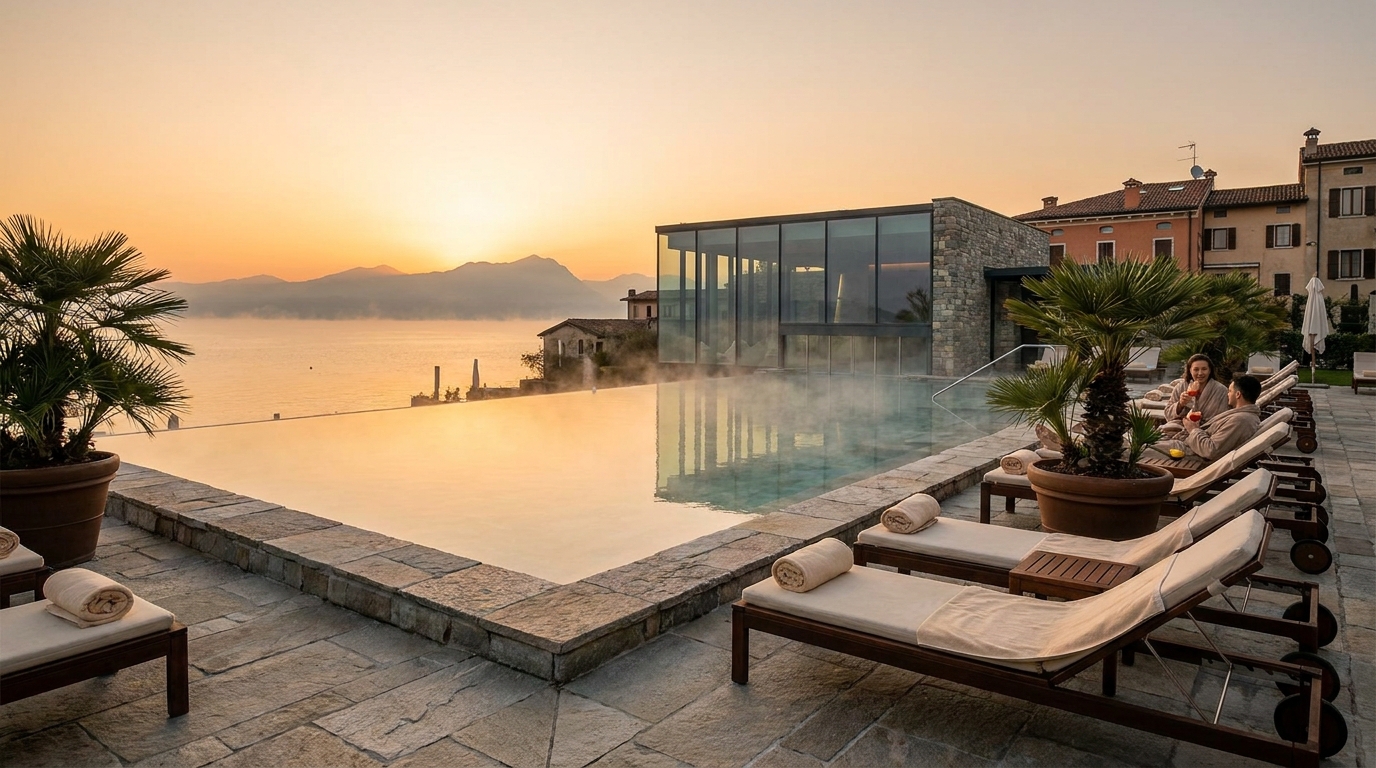
Aquaria is the flagship — opened in 1987 and substantially rebuilt in 2014 with the lake-view extension. The complex sits at the very tip of the peninsula, a five-minute walk from the Scaliger Castle, and is built around five thermal pools: two indoor (one at 34°C, one at 36°C with hydromassage) and three outdoor, all of them filled with mineral water from the Boiola spring at a constant 34°C. The headline feature is the outdoor infinity pool with an unbroken view across the lake to Monte Baldo — it is the single most photographed corner of any spa on the lake, and during the cooler months the steam rising off the surface against the alpine backdrop is genuinely spectacular.
The sauna world is a separate ticketed area (€10 on top of the day pass) and includes a Finnish sauna at 90°C, a bio-sauna at 60°C, a Turkish hammam, a salt grotto carved with backlit Himalayan blocks, an ice fountain and a heated stone tepidarium for resting between rounds. It is Saunakultur done properly — textile-free protocol enforced, towel mandatory.
Day-pass prices in 2026: €42 weekday, €52 weekend, with a half-day twilight ticket from 5pm at €30. Booking is online-only via the Terme di Sirmione website; walk-ins are routinely turned away in July, August and on every winter weekend. Operating hours run 10am to 10pm daily, with restricted access on Tuesday mornings until 1pm for technical cleaning. There is a full restaurant on site (Aquaria Bistrot), a poolside bar and a treatments menu running from a 50-minute aromatherapy massage (€90) up to multi-hour wellness packages.
Insider tip: the lake-view infinity pool is best at sunset between October and March, when the contrast between cool air and warm water is at its most theatrical. Friday evening from 7pm is the locals’ favourite slot — book at least 48 hours ahead.
Terme Catullo — the traditional option
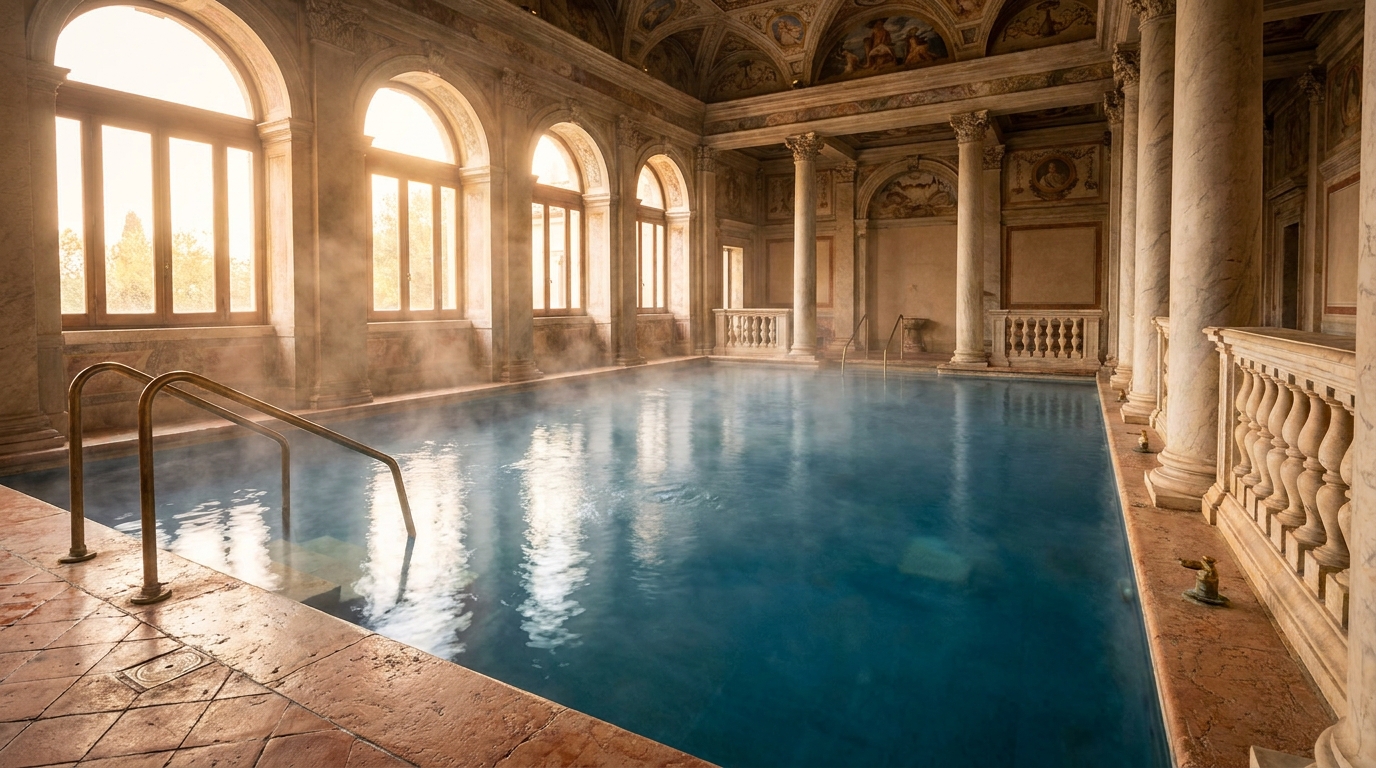
Terme Catullo is the older sister property, sitting at the entrance to the peninsula in the gardens of the Grand Hotel Terme — the historic Liberty-style building that Maria Callas famously called home in the 1950s. The atmosphere is entirely different from Aquaria: this is a working medical spa first, a leisure destination second. The architecture is white tile and brass fittings rather than backlit stone, the average age of the clientele skews twenty years older, and the soundtrack is the gentle hum of inhalation rooms rather than spa playlists.
The water is the same Boiola source, but the layout is smaller: one indoor thermal pool at 34°C, one outdoor mineral pool, plus a series of treatment rooms dedicated to cure inalatorie (inhalation therapies for respiratory complaints), mud applications (fangoterapia) and balneotherapy. Many guests are here on doctor’s orders with the cost partially reimbursed by the Italian national health service — a reminder that thermal medicine in Italy is still mainstream medicine, not just spa indulgence.
Day-pass price is €26, roughly 40% cheaper than Aquaria and the best value on the southern shore. Operating hours run 9am to 7pm daily, with the morning slot (9am to noon) reserved partly for therapeutic patients — leisure visitors are welcome from late morning onwards. No sauna world, no infinity views, no Instagram backdrop. What you get instead is space, quiet and one of the most therapeutic mineral soaks in northern Italy.
Insider tip: weekday mornings from 11am to 1pm are reliably uncrowded year-round. Bring a book — there is a shaded lawn between the two pools that is empty for most of the day even in August.
Which one should you choose?
The honest answer: most leisure travellers should pick Aquaria. It is more expensive but the experience is genuinely better-resourced, the lake view is irreplaceable, and the extra €16 buys roughly twice the pool space and the option of the sauna world. Terme Catullo is the smarter pick if you are price-sensitive, travelling on a respiratory or dermatological cure, or simply find modern wellness complexes a bit too curated for your taste. Run yourself through these four questions.
Travelling as a couple for a romantic day?
Aquaria, especially the twilight ticket from 5pm. The lake-view infinity pool at sunset is the closest thing Sirmione offers to a paid-for honeymoon moment, and the sauna world is worth the upgrade for the salt grotto alone.
On a budget?
Terme Catullo plus a long Sirmione lunch at Risorgimento or La Fiasca. For under €60 per person you get a half-day thermal soak, a proper meal and change for an evening aperitivo. The same day at Aquaria with a meal lands closer to €100.
Want to combine thermal + Catull Grottoes?
Either works — both spas sit on the same peninsula and the Catull Grottoes are walking distance from each. Aquaria is the closer of the two (five minutes from the Grottoes’ ticket office), Terme Catullo about 20 minutes by foot at the other end of the village.
Want the full spa-hotel experience?
Stay at the Grand Hotel Terme — it owns Terme Catullo and gives guests free access plus a private corridor straight into the treatment area. For an Aquaria-equivalent overnight, look at Hotel Sirmione & Promessi Sposi, which also belongs to the Terme di Sirmione group and bundles the day pass into the room rate.
What to bring
Both spas operate on the same protocol, so what works for one works for the other. Swimsuit is mandatory in every pool — no bare bathing at any point, including the sauna world (where you wrap in a towel rather than stripping fully). Flip-flops are required outside the pool area: bare feet on the deck will get you a polite tap on the shoulder from staff, so pack a pair you can wear wet.
Towels are not included. Rental costs €5 at the entrance, or bring your own large bath towel plus a smaller one for the sauna. Hairdryers are provided in the changing rooms (paddle-style, decent power), as are basic toiletries in the showers — bring your own conditioner if you care, the dispensers are 2-in-1. Lockers require a €5 refundable deposit, returned on exit.
Children: Aquaria allows guests 14 and over only, no exceptions — the wellness atmosphere is the entire product, and this is rigorously enforced. Terme Catullo permits children from age 6 in the pool areas during the afternoon slot from 2pm onwards. Neither is a place for toddlers; for that, Lake Garda with Kids covers the family-friendly lidos.
When to go
The counter-intuitive answer: October to March is the best window. Outdoor thermal pools are magical when the air is 6°C and the water is 34°C — steam rises off the surface in dense curtains, the lake turns slate-grey behind the columns of vapour, and the contrast between cool skin and warm shoulders is the whole point of a thermal soak. Most northern European thermal cultures (German, Hungarian, Swiss) treat winter as peak spa season for exactly this reason. Italian visitors are starting to catch on.
May and June are the second-best slot: mild enough to enjoy the outdoor pools without sweating, warm enough that you don’t feel chilled walking between them. Avoid July and August — the air is 32°C, the thermal water at 34°C feels redundant, and local Italians vanish from the spa schedule entirely. September is the shoulder month worth catching for the post-Ferragosto quiet.
Worst slot in the week: Saturday between 2pm and 6pm, when Milanese day-trippers arrive en masse. Best: Tuesday afternoon, Friday evening, Sunday morning. Pre-book online — for Aquaria in season at least 48 hours ahead, for Terme Catullo same-day usually fine outside summer Saturdays.
What we’d pair with a thermal day
The smart move is to treat the thermal baths as half a day, not a whole one. Three combinations we have tested and recommend:
Spa-then-supper: arrive at Aquaria for the 5pm twilight ticket, stay until 9pm, then walk 12 minutes into the old town for dinner at La Fiasca (book ahead) or Risorgimento. The post-thermal hunger is real and these two kitchens reward it properly.
Ruins-then-pool: open the Catull Grottoes at the 8.30am bell, walk the olive grove for two hours, lunch on the harbour, then check into Aquaria at 1pm for a five-hour afternoon. By 6pm you have done the two great things in Sirmione without ever feeling rushed.
Steam-then-sail: morning at Terme Catullo, light lunch in the village, then a sunset boat tour from Sirmione harbour at 6pm. Two contrasting kinds of water in one day, both at human pace.
For broader context on what else to fit into a Sirmione stop, our Things to Do at Lake Garda pillar covers the wider southern shore.
Frequently Asked Questions (FAQ)
How much does Aquaria Sirmione cost?
The standard day pass is €42 on weekdays and €52 at weekends and public holidays in 2026. A twilight ticket from 5pm onwards costs €30. The sauna world adds €10 on top of any pass. Treatments (massages, scrubs, facials) start at around €60 and run up to €200 for multi-hour packages. Towel rental is €5 and locker deposit €5 (refunded on exit).
Can you visit Sirmione thermal baths without booking?
In theory yes, in practice no during peak. Aquaria operates a strict capacity cap and walk-ins are routinely refused on summer weekends and across the November-to-February peak thermal season. Online booking via termedisirmione.com is the only reliable route — 48 hours ahead is enough most of the year, longer for August and Christmas week. Terme Catullo is more flexible and same-day walk-ins usually work outside summer Saturdays.
Are Sirmione thermal baths kid-friendly?
Aquaria is 14+ only, no exceptions — it is a wellness destination and the policy is enforced at the gate. Terme Catullo allows children from age 6 in the pool areas during the afternoon slot from 2pm. Neither spa is suitable for toddlers or babies. Families with younger children should look at the public lidos and beach clubs around Sirmione instead — Jamaica Beach is the obvious free option.
Is Aquaria or Terme Catullo better?
Aquaria is objectively the more impressive complex: more pools, lake view, sauna world, longer hours, better food. Terme Catullo is the better-value, quieter, more medical-style experience. For a first-time visitor on a leisure trip, pick Aquaria. For a returning visitor, a budget traveller or anyone on a respiratory cure, pick Terme Catullo. Both use the same Boiola spring water at 34°C, so the underlying mineral soak is identical.
How long should you spend at the thermal baths?
Three to four hours is the sweet spot. Less than that and you are rushing the rotation between hot pools, cool plunge and rest. More than five hours and the magnesium-rich water starts to dehydrate you noticeably — the staff will gently push water and herbal tea on you for a reason. A twilight session from 5pm to 9pm at Aquaria is our preferred shape; a morning visit from 11am to 2pm at Terme Catullo works well for a half-day.
Can you go in winter?
Yes, and it is the best time of year. Both spas stay open through winter — Aquaria runs full hours including the outdoor pools, Terme Catullo trims its evening hours but keeps the outdoor mineral pool open. The contrast between cold air and warm water is the entire reason thermal spas exist, and Sirmione in January is far better value (lower hotel rates, no crowds) than in August. Bring a thick robe for the walk between buildings — both spas sell branded ones at the door if you forget.
Related guides
- Things to Do at Lake Garda
- Day Trip from Verona to Lake Garda
- Lake Garda with Kids
- Sirmione vs Desenzano: Which Is Better?
- Affiliate Disclosure
For official operating hours, current treatment menus and medical-cure bookings, the operator’s own pages remain the authoritative source: Terme di Sirmione, the dedicated Aquaria site, and the local tourist board at Visit Sirmione.
The Sirmione thermal baths are the single most worthwhile wellness stop on Lake Garda — Aquaria for the lake-view spa day, Terme Catullo for the older, gentler, mineral-cure experience. For most travellers Aquaria wins on the strength of one feature alone: the outdoor infinity pool at sunset between October and April. Pre-book the 5pm twilight slot at least 48 hours ahead and you have the makings of the best evening of a Sirmione stay.